The 18 Best Rock Bands from the ’70s, Ranked by a Musician

While the rock and roll bands in the ’60s laid the foundations for rock and roll to take over the world, the top 18 rock bands from the ’70s took everything to the next level. Yes, ready or not, in this decade, the world experienced some of the biggest, most ambitious, and most grandiloquent rock shows and tours in history.
Although some of the bands you’re about to see were formed in the late ’60s, their most prominent work and subsequent fame came along in the ’70s.
Yes, this is the time arena-ready rock and roll anthems were born. So, be ready to put on a bandana, ignite your lighter, and sing your lungs out with these huge ’70s rock and roll acts.
What Made Rock Bands in the 70s Special?
Huge crowds, stadiums, paraphernalia, costumes, and elements like fireworks made the ’70s the golden era of bombastic rock and roll performances. Not only did the anthems become more popular, but there were also songs designed to make arenas roar. Some of the most played classics in rock and roll history were born in this era.
Also, let me tell you that much of what happened in the ’60s (especially the late ’60s), like Woodstock, for example, gave promoters and tour managers the certainty that there was no cap to what rock and roll could achieve. Crowds kept getting bigger, and so did venues for a genre that just didn’t stop growing in popularity.
Here are the 18 bands that helped make the ’70s the golden era of stadium-ready rock acts.
1. David Bowie
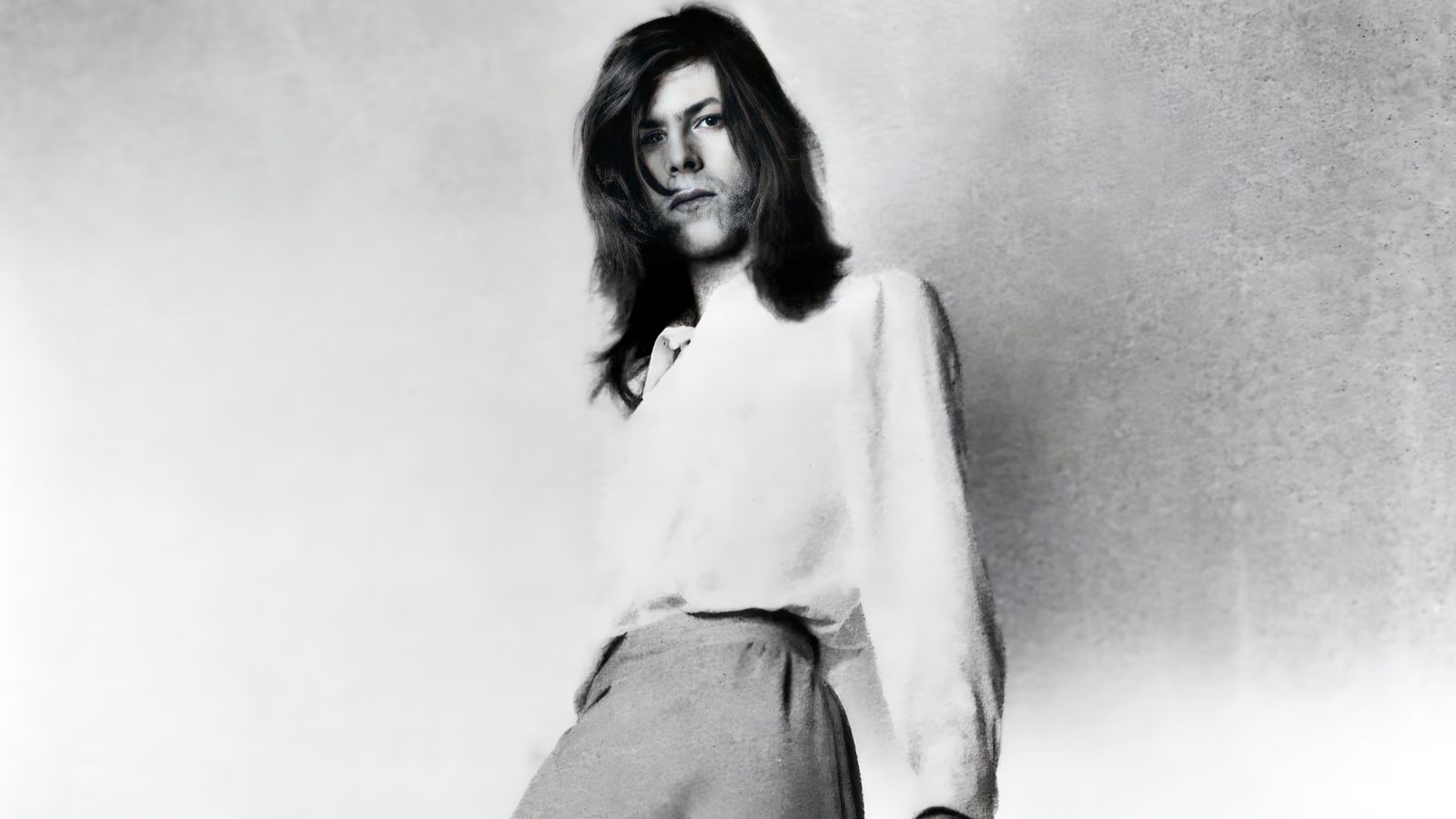
David Bowie was more than a composer and a singer or performer and actor. He was a creative force that took the entire rock genre up a notch. Indeed, his 1972 album The Rise and Fall of Ziggy Stardust and the Spiders from Mars was like nothing else the world had ever witnessed before. The theatricals, the costumes, the sound, the acting- all part of creating the Bowie legend.
Furthermore, while intensely touring, he also found time to co-produce and sing backing vocals on Transformer (1972), the second solo album by Lou Reed, and mix Raw Power (1973), the third Stooges album, along with Iggy Pop.
But why is David Bowie so relevant in the history of rock music? Well, first of all, because of his legacy. He taught the world how rock and roll could become a vessel for more profound meanings, soulful poetry, and stadium-sized theatrical presentations. Furthermore, he was also a moving creative force who came up with character after character in an attempt to make a puzzle that would talk about David Bowie.
Nowadays, after his passing in 2016, Bowie is admired by peers, fans, and critics, and his work is considered among the most important of the 20th century. As proof of that, days after his death, Billboard argued that David Bowie influenced more musical genres than any other rock star.
You can’t enjoy ’70s rock without including David Bowie in your playlist.
2. Queen
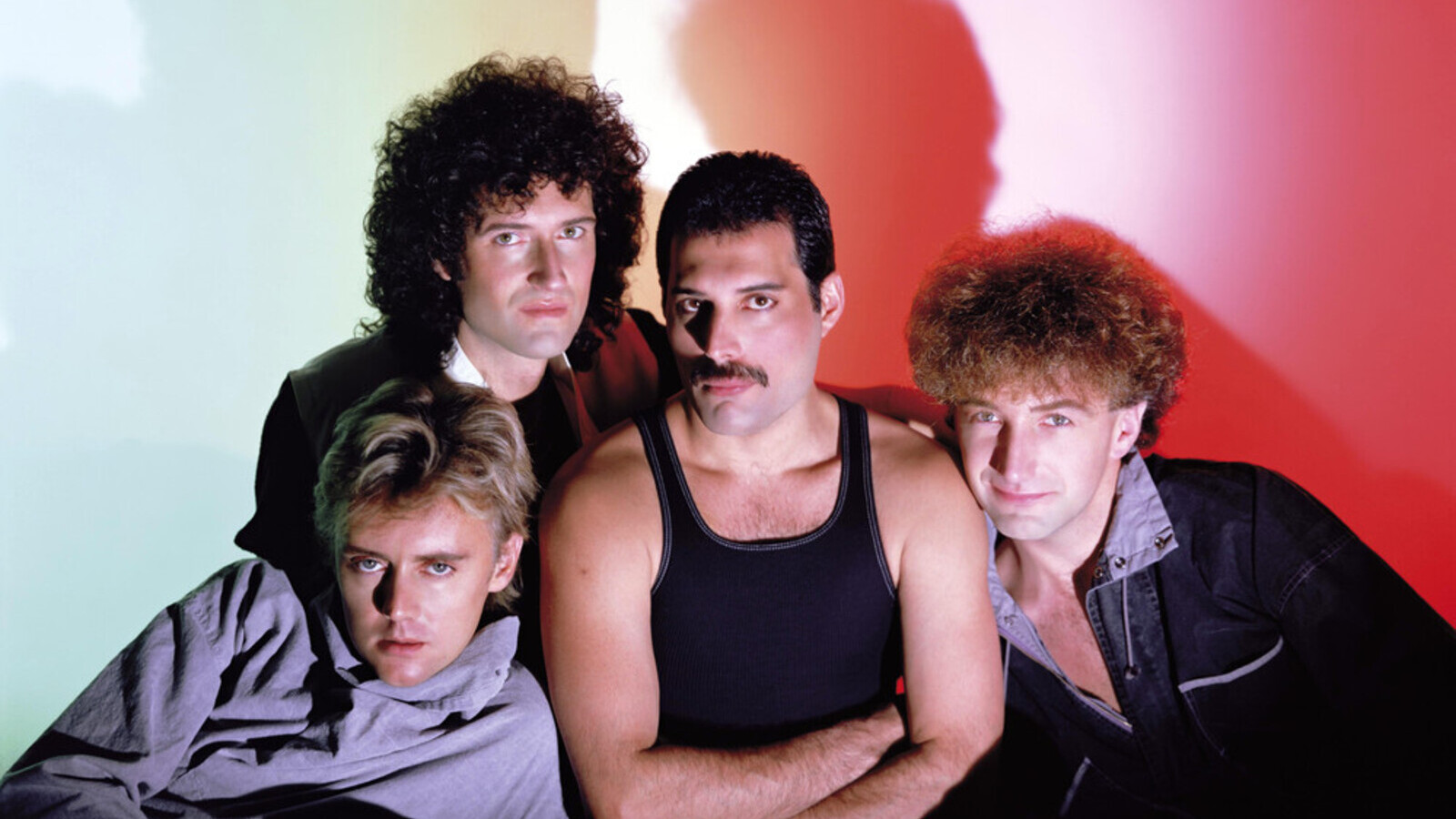
Who can forget the opera part of “Bohemian Rhapsody” turning into heavy metal? Also, the iconic, utterly simple bass line that gives life to Queen’s collaboration with David Bowie, “Under Pressure.” Or, what about the hypnotic stomp-stomp-clap beat that gives life to “We Will Rock You”, and the eternal chant of the winners called “We Are The Champions”.
Just by naming a handful of songs by Queen, you already know that they’re part of your musical DNA, part of the soundtrack of your life.
Well, if there was a frontman who embodied the grandiloquence and theatrical aspect of arena performances in the ’70s, that was Freddie Mercury. He started Queen along with guitar god Brian May, and Roger Taylor on drums. John Deacon was recruited to play bass a year later.
Queen ruled the planet until Freddie’s sad passing in 1991. After the man was gone, the band kept on playing with several singers and touring the world to great success, but the legend was already written in stone.
If you want to get into Queen, I suggest you start with the two most memorable albums by the band: A Night at the Opera (1975) and News of the World (1977).
3. Black Sabbath
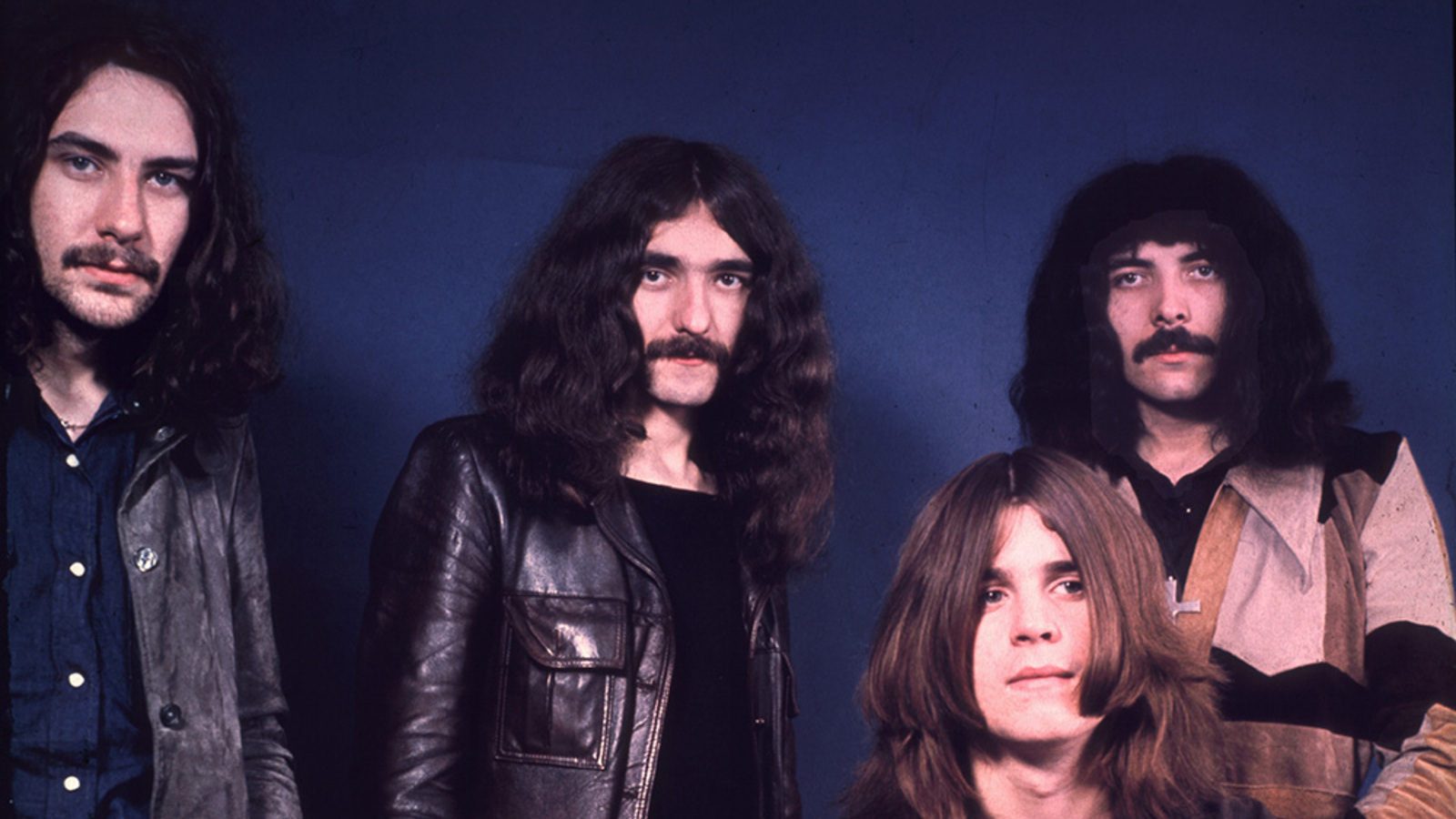
According to some publications, Black Sabbath invented heavy metal. Although there was “Helter Skelter”, Cream, Hendrix, and The Who before them, nobody took it to the obscure with such a grinding mix of guitars as the early Sabbath records did.
Although they created the style and influenced thousands of bands to come, the band, and especially Tony Iommi, wanted nothing to do with the term “Heavy Metal.” They preferred to be called a “heavy rock” band instead. Despite their struggle, they’re considered the inventors of the style and the band that helped shape heavy modern music as we know it today.
I mean, the black clothes, inverted crosses, satanism allegations, Ozzy’s later bat-biting incident as a solo artist, and dark personalities contributed to creating the culture behind heavy metal music. The same that year after year still congregates hundreds of thousands of music lovers in many festivals around the planet.
If you’re a newbie to Black Sabbath’s music, I suggest you start with Paranoid (1970) and Sabotage (1975).
4. Pink Floyd
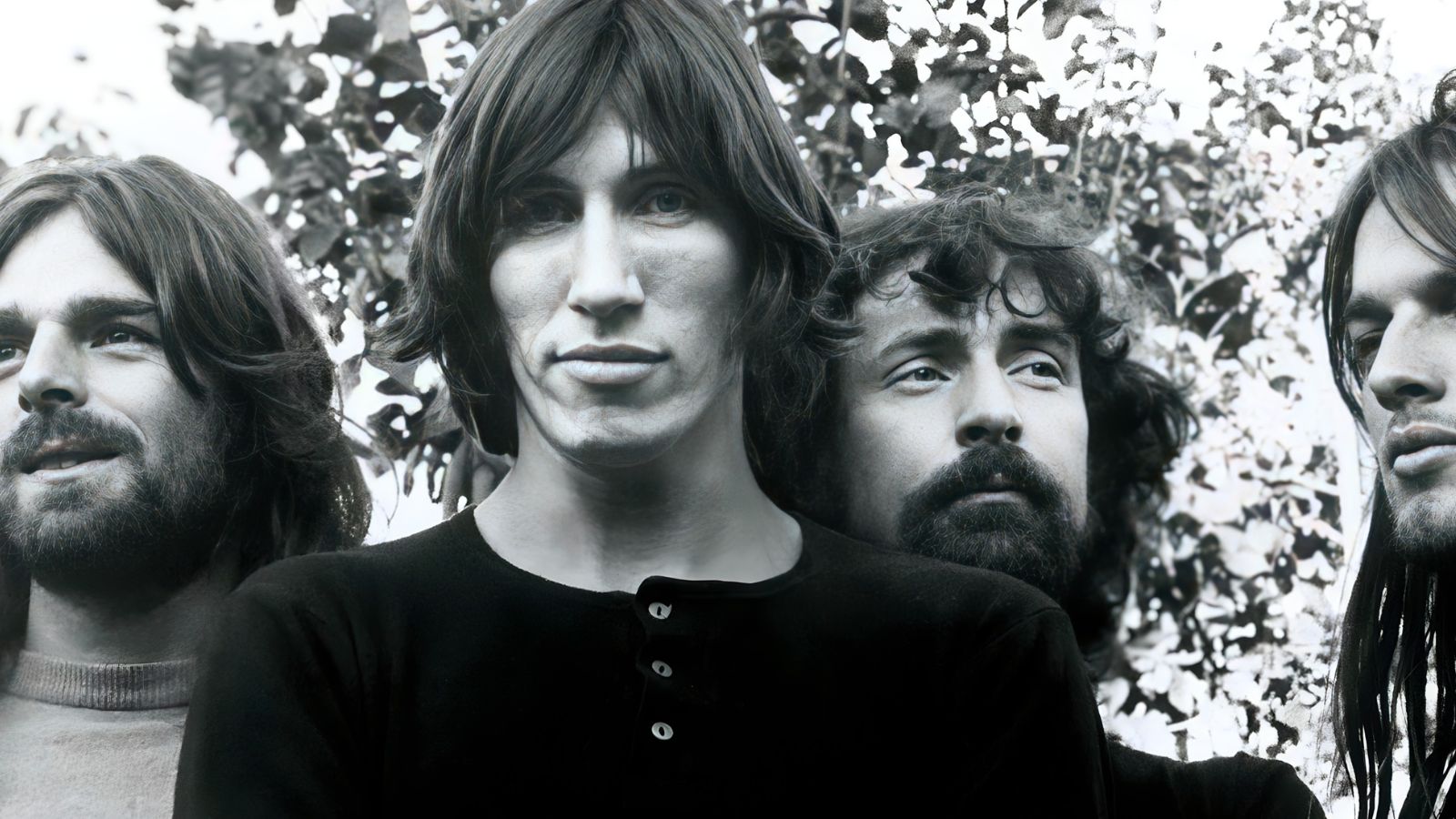
Formed in London in 1965, Pink Floyd is widely known as prog-rock’s most popular band. In fact, a 2011 readers’ poll carried out by Rolling Stone Magazine left them in the second position after Rush. Yet, truth be told, Pink Floyd exceeds the Prog-Rock world to become a bigger monster, one that needs to feed on more than one musical style to survive.
Perhaps the best example of Pink Floyd’s grandiloquent approach to music is their 1973 record The Dark Side of the Moon, an album that stayed on the Billboard 200 for 14 years. But it wasn’t just an album, it was also the inaugural step to a series of ’70s rock statements that ended with the hugely acclaimed, audiovisual, and theatrical The Wall (1979).
That stream of albums is the one I recommend the most and is completed with Wish You Were Here (1975) and Animals (1977).
Although Roger Waters is now 83 and wrapped up his farewell tour in 2023, Pink Floyd’s music is still present in the mainstream. For example, Miley Cyrus covered “Wish You Were Here” on Saturday Night Live in 2020, exposing an entire new generation to Pink Floyd’s music.
5. Deep Purple
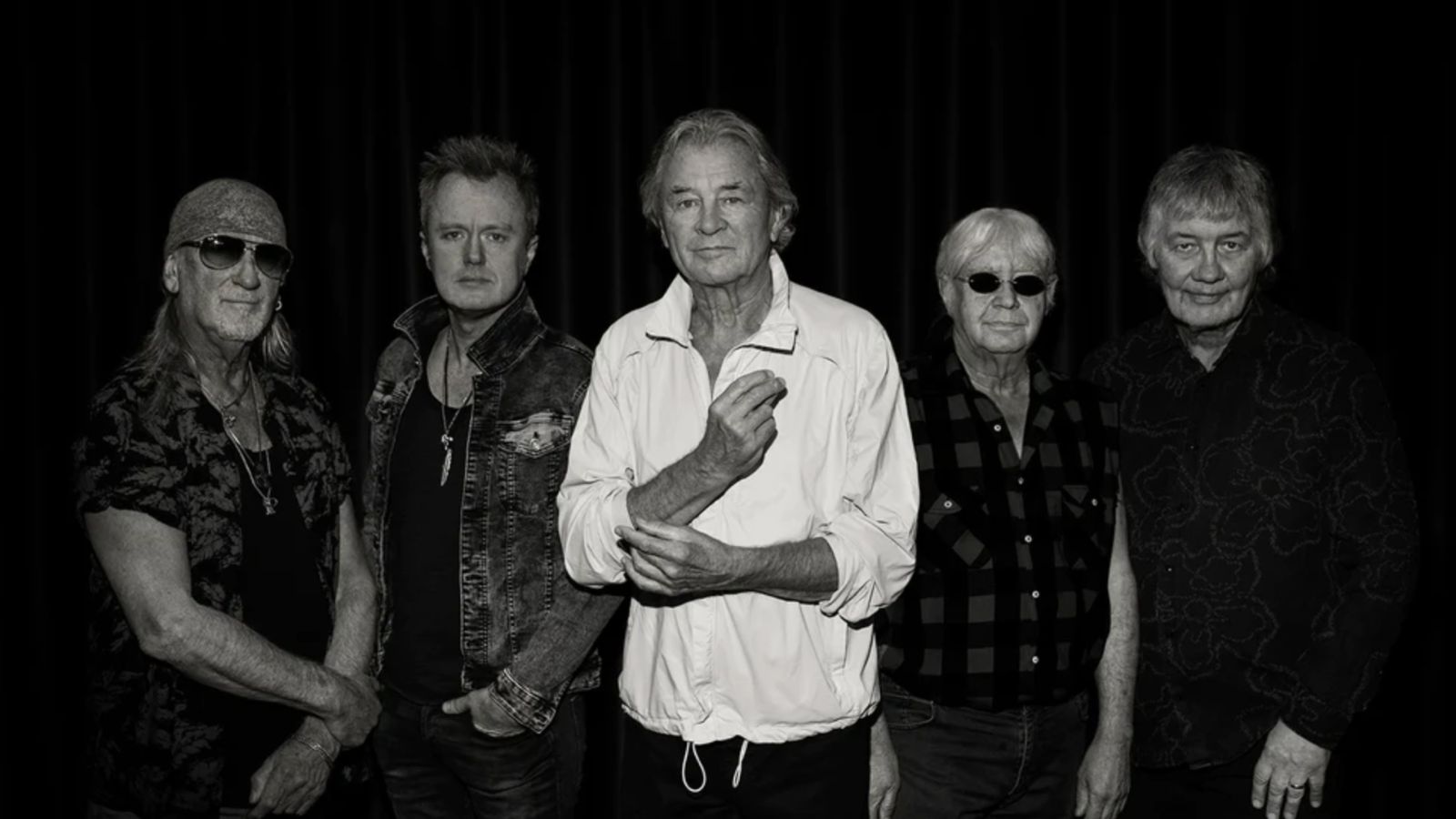
Having sold over 100 million records worldwide, Deep Purple is considered, along with Black Sabbath and Led Zeppelin, part of the “unholy trinity of British hard rock and heavy metal in the early to mid-seventies.”
Although they’re part of that unholy trinity, they’re a wildly underrated band for what they’ve done for rock music. I mean, they were inducted into the Rock and Roll Hall of Fame in 2016 by none other than Lars Ulrich, Metallica’s eccentric drummer.
But let me tell you two things about Deep Purple. To begin with, they were one of the first rock bands to play a live show with a full symphony orchestra (Concerto for Group and Orchestra in 1969). Something that has been replicated many times after. Also, they’re the band that wrote “Smoke on the Water” drawing inspiration from none other than Beethoven himself, according to Ritchie Blackmore!
If you’re about to dive into Deep Purple for the first time, I suggest Machine Head (1972) and Burn (1974).
6. The Clash
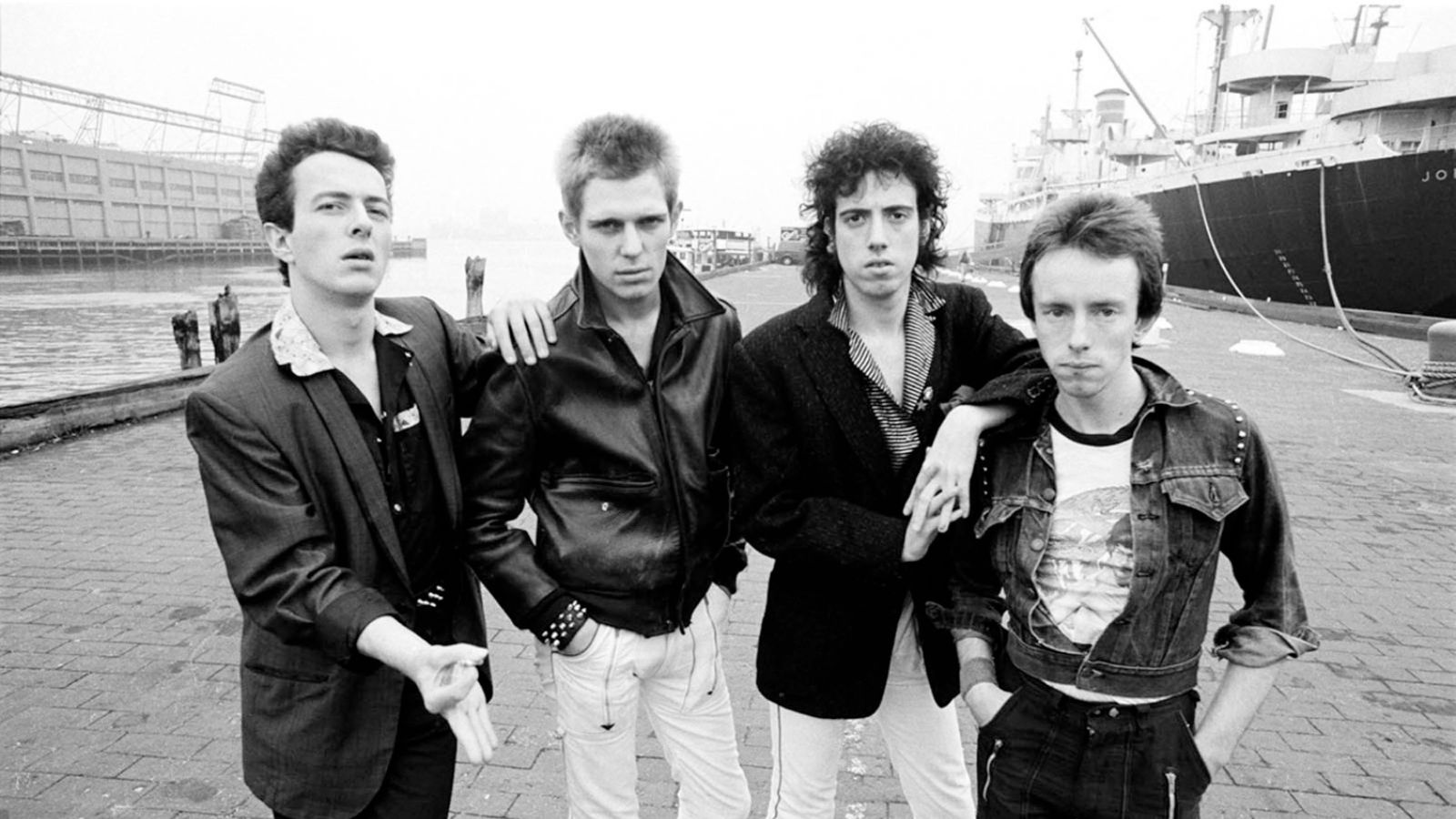
Few bands in music history were able to mix so many styles and come out with a sound of their own. Yes, no other band in history sounds quite like The Clash. They used a mixture of rock and roll, rockabilly, punk rock, ska, dub, reggae, and funk to create simple tunes that made a generation dance and influenced other generations to stand up and fight.
Perhaps the best way to understand The Clash is to think of music as a vessel for a bigger message. These English rockers did exactly that and set the foundations for a lot of bands that came after, including Rage Against the Machine.
In a 2021 essay for Classic Rock, Tom Morello called The Clash “my favourite rock’n’roll band of all time.”
Are RATM and The Clash similar in terms of sound? No, but what sets both bands apart from the rest is the fact that both of them had something to say about the reality around them.
Although all of their records are amazing, if you’re getting started with The Clash, I suggest you go for London Calling (1979) and take it from there.
7. The Police
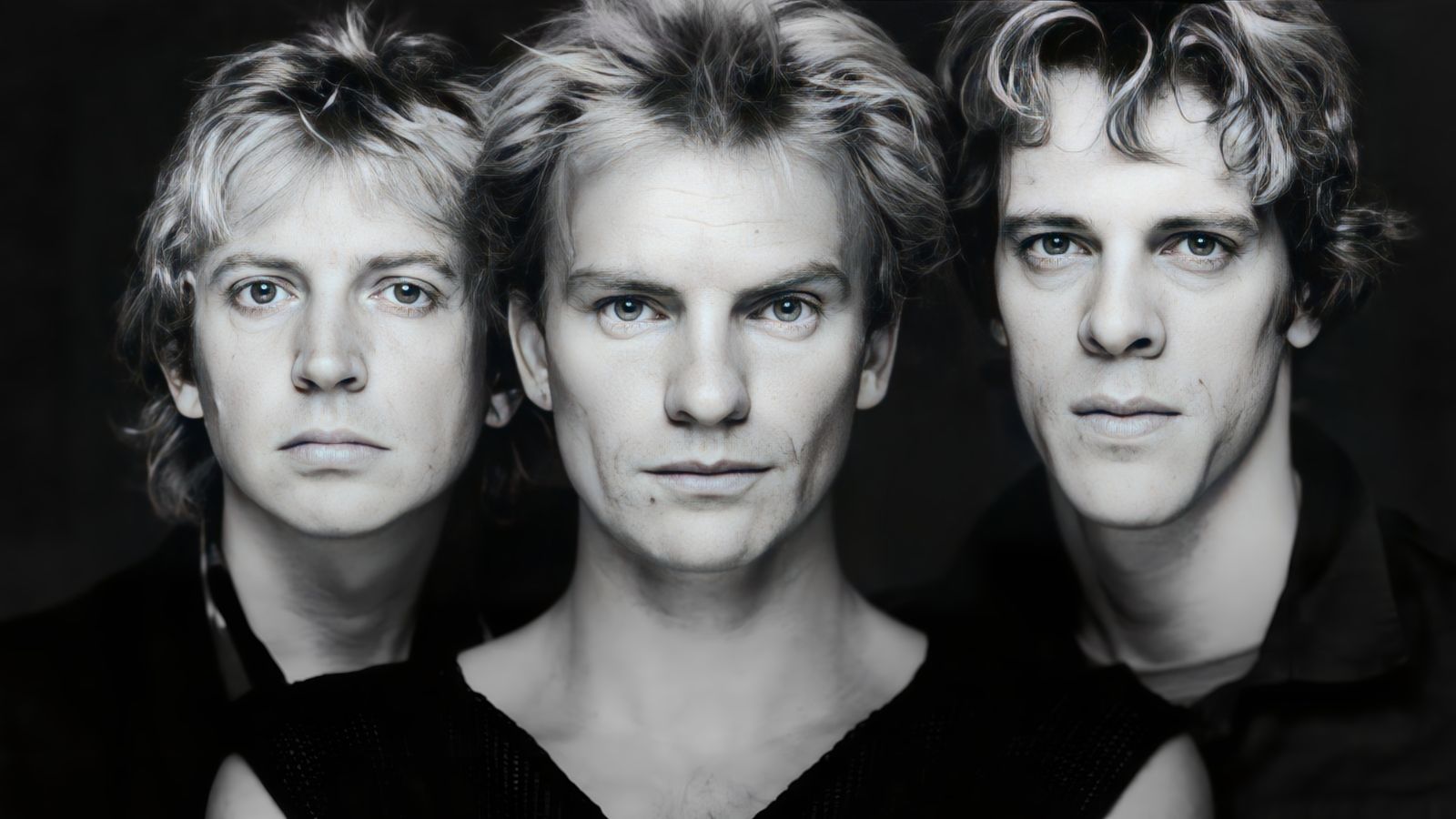
The first time I heard Outlandos D’Amour (1978) I just couldn’t believe it. In fact, I don’t know if the world was ready to receive such a wild combo made of reggae, rock, punk, rock and roll, ska, and a lot of attitude from one of rock and roll’s greatest frontmen of all time, Sting.
The band was more technically advanced than the rest of the players in the scene since its members had cut their teeth in jazz and prog rock, and Andy Summers had even studied classical guitar and composition. That knowledge, mixed with a world-conquering attitude and arena-ready songs, made The Police a hit band that took over the world like a storm in a very short but intense ride from 1977 to 1986.
Why is The Police an important and influential band in music history? Well, just like The Clash, they helped blur the limits between rock and all other genres in Western music, giving birth to a whole new generation of musicians who are not afraid of academia and willing to push the style’s boundaries further.
8. Santana
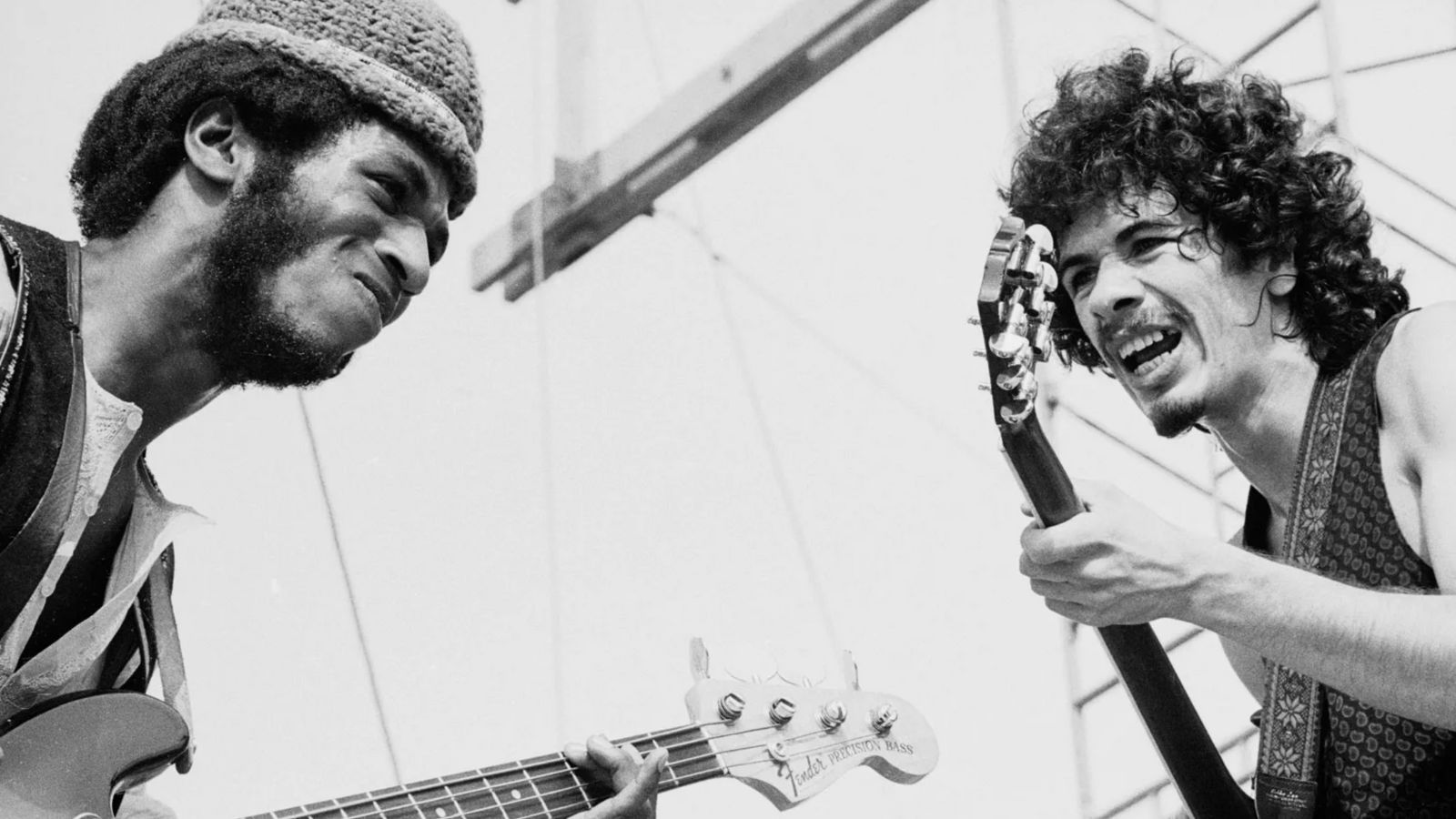
One of the most unique rock acts to come out of the 1970s was, undoubtedly, Santana. Their fusion of Latin rhythms with rock and roll sounds and attitude became a standard in the industry that allowed many other bands to enter Western music’s mainstream. Furthermore, very, very few guitarists in history can claim to be recognized after playing just one note, and Carlos Santana is one of them.
Santana was formed in the late ’60s and made it out of the San Francisco scene. They had a deal with Bill Graham (who handled the famous Fillmore Auditorium) in the early days. Graham was asked to help with Woodstock and he agreed on the condition that Santana play there. That was, perhaps, the first go at fame Santana had.
After that psychedelic, hallucinogen-fueled presentation, Santana was rocketed to stardom where it continues to be today. If you’re new to Santana I would suggest two records from very different times: Abraxas (1970) and Supernatural (1999).
9. T. Rex
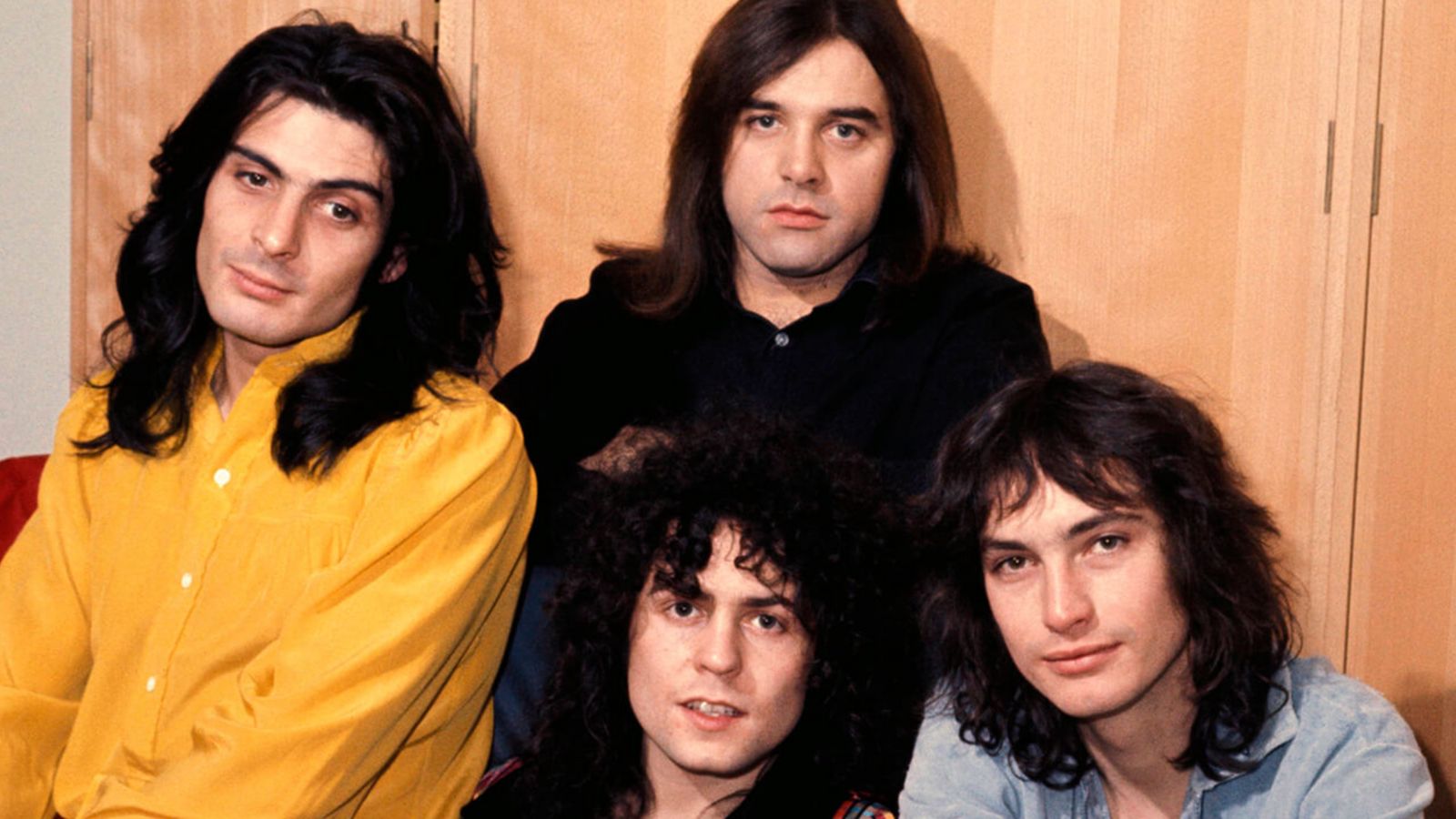
Although Bowie is largely credited for the appearance of glam in rock and roll and for adding performance, burlesque, and theatrical elements to his performances, Marc Bolan and his band, T. Rex, did it as contemporaries. Indeed, Marc Bolan is regarded by legends the size of Elton John as one of the main drivers of a new music scene in which everything was allowed.
In 2020, Elton John said about Bolan, “He was the perfect pop star, his songs were great, his records rocked, he had attitude, he had performing skills, he looked fabulous, he dressed the part. At a time when I was still becoming Elton John, he was a great role model.”
Beyond influencing artists the size of Elton, T. Rex also had amazing songs. In fact, from 1970 to 1973, T. Rex had an epic run of eleven UK top-ten singles. Furthermore, four of them reached number one.
If you’re not familiar with Marc’s work with T. Rex, the perfect place to start is Electric Warrior (1971).
10. Joy Division
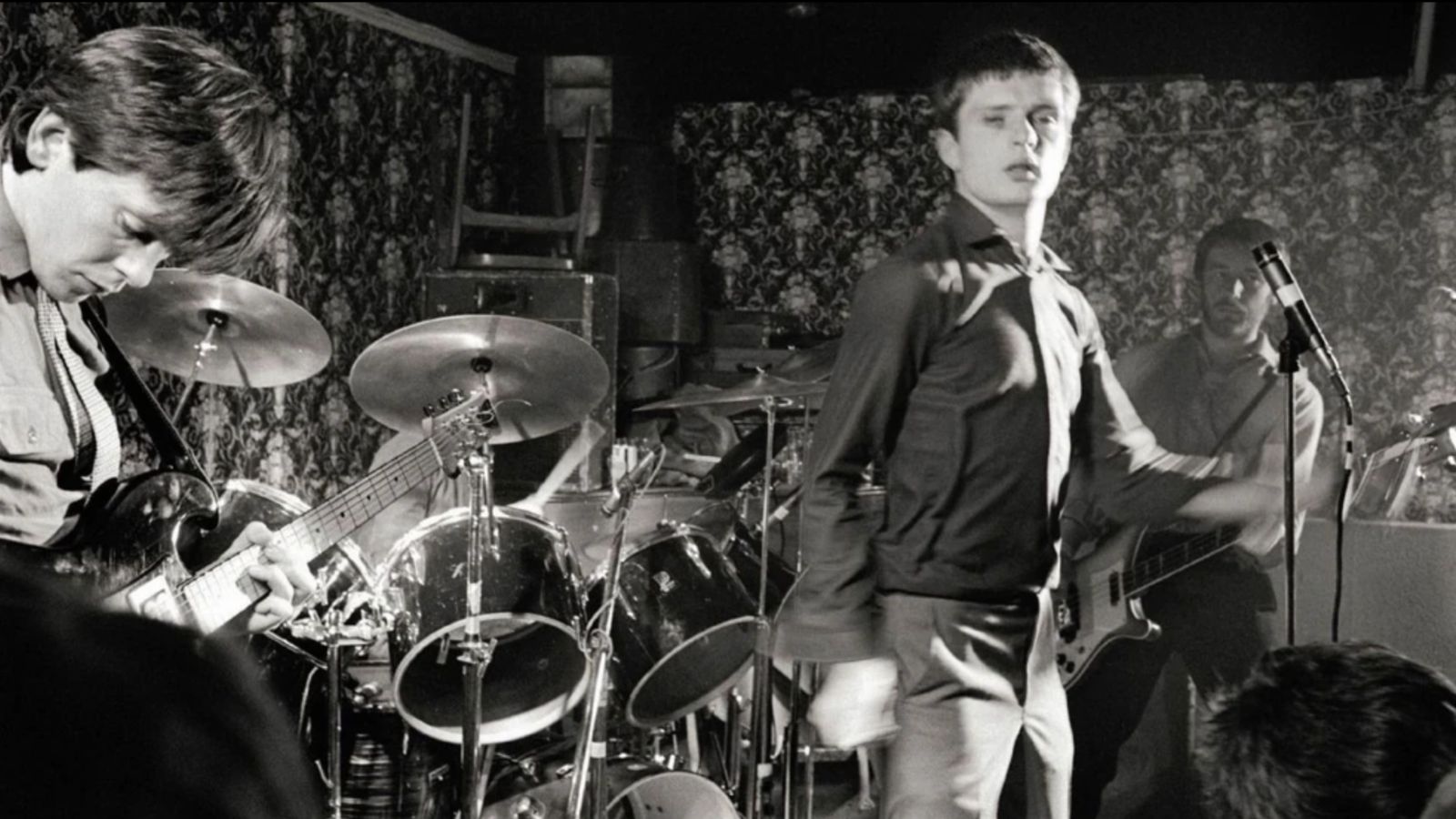
Although their debut album came out in 1979, Joy Division created a musical style that was born from all the excess and loud glamorous rock life of the seventies. Indeed, the entire industry centered on the bigger-means-better motto was falling apart, and Ian Curtis was singing those tortuous lines dressed in black and dancing like a madman.
You might have heard Joy Division’s “Love Will Tear Us Apart,” a post-punk anthem that gave life and purpose to a plethora of bands coming after them. Robert Smith, from The Cure, recalls the time Joy Division opened for them in the UK and remembers them as a great band: “They were of that generation of bands, which is my generation of bands. They were so powerful…that was our best show that year, I think, we went on after them and we had to really we had to try hard to match what they did… it’s a shame about Ian Curtis… it’s like Jimi Hendrix or Kurt Cobain…people that good come around far too infrequently.”
If you want to get into Joy Division, their album Unknown Pleasures (1979) is the best way to do so.
11. Judas Priest
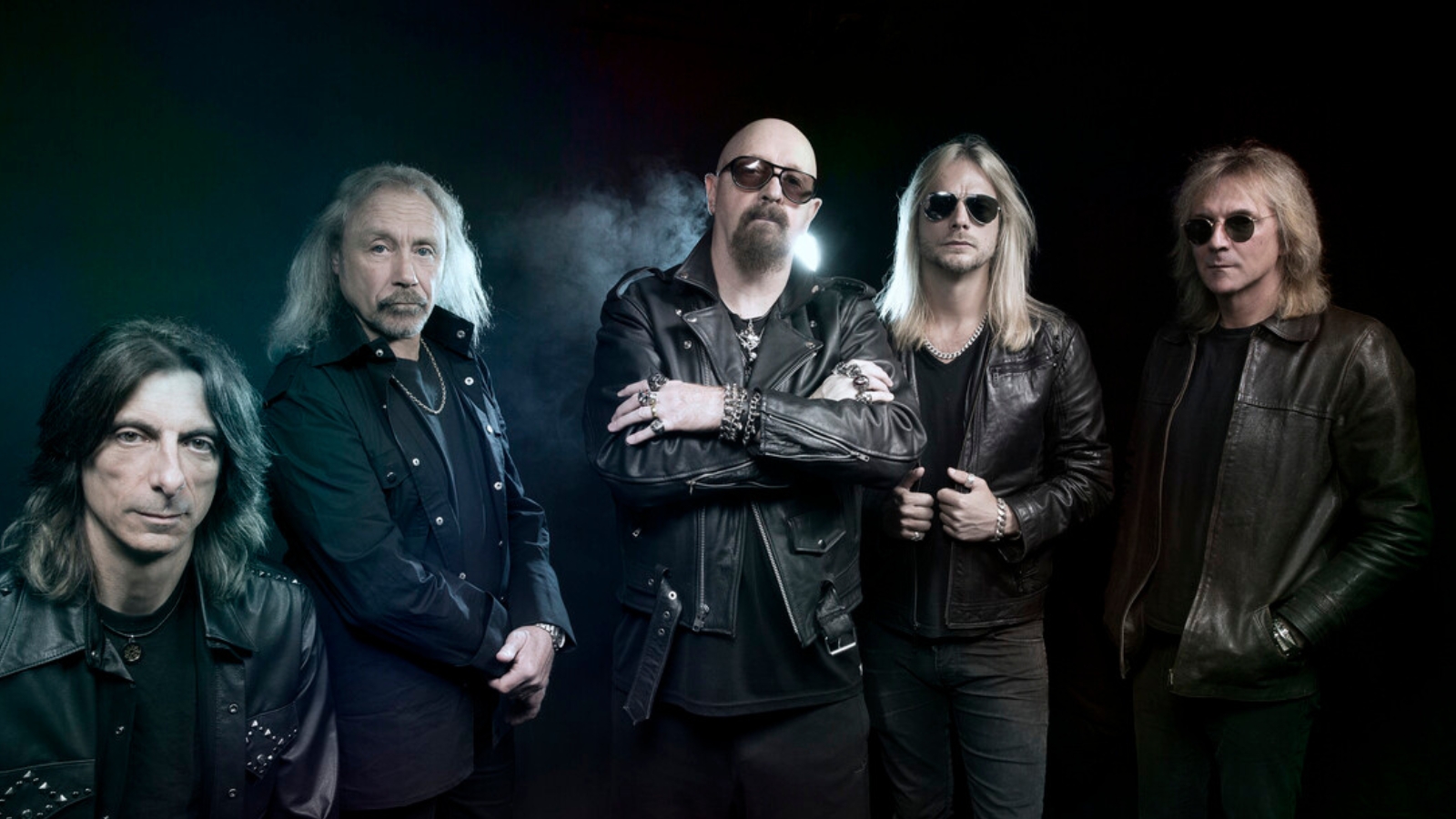
After selling over 50 million records worldwide and influencing bands like Metallica, Megadeth, Slayer, Pantera, Anthrax, and Sepultura, among others, they had to make it to this list.
Let me talk to you about not only the musical aspect of Judas’ impact on heavy music but also from a fashion point of view. Indeed, they were the ones to introduce the leather culture to heavy metal fans, borrowing the whole studs-and-leather look from biker culture and London’s leather shops. Nowadays, leather jackets are a must for most metalheads in the world.
From a musical point of view, Rob Halford has said that Judas Priest was the first-ever, definitive metal band. He told Marc Maron’s WTF podcast, as reported by Revolver Magazine: “I’ve always pushed that Sabbath were a heavy metal band, but my friend Tony Iommi will always go, ‘No, we’re like a rock band, a hard rock band.’ I said, ‘No, you’re heavy metal.’ ‘No, no…’” Since Sabbath won’t accept the label, he claims the throne for his band, Judas Priest.
They’re still playing live, so if you get the chance, go see Judas play. Otherwise, you can dive into Killing Machine (1978), British Steel (1980), and Painkiller (1990).
12. AC/DC
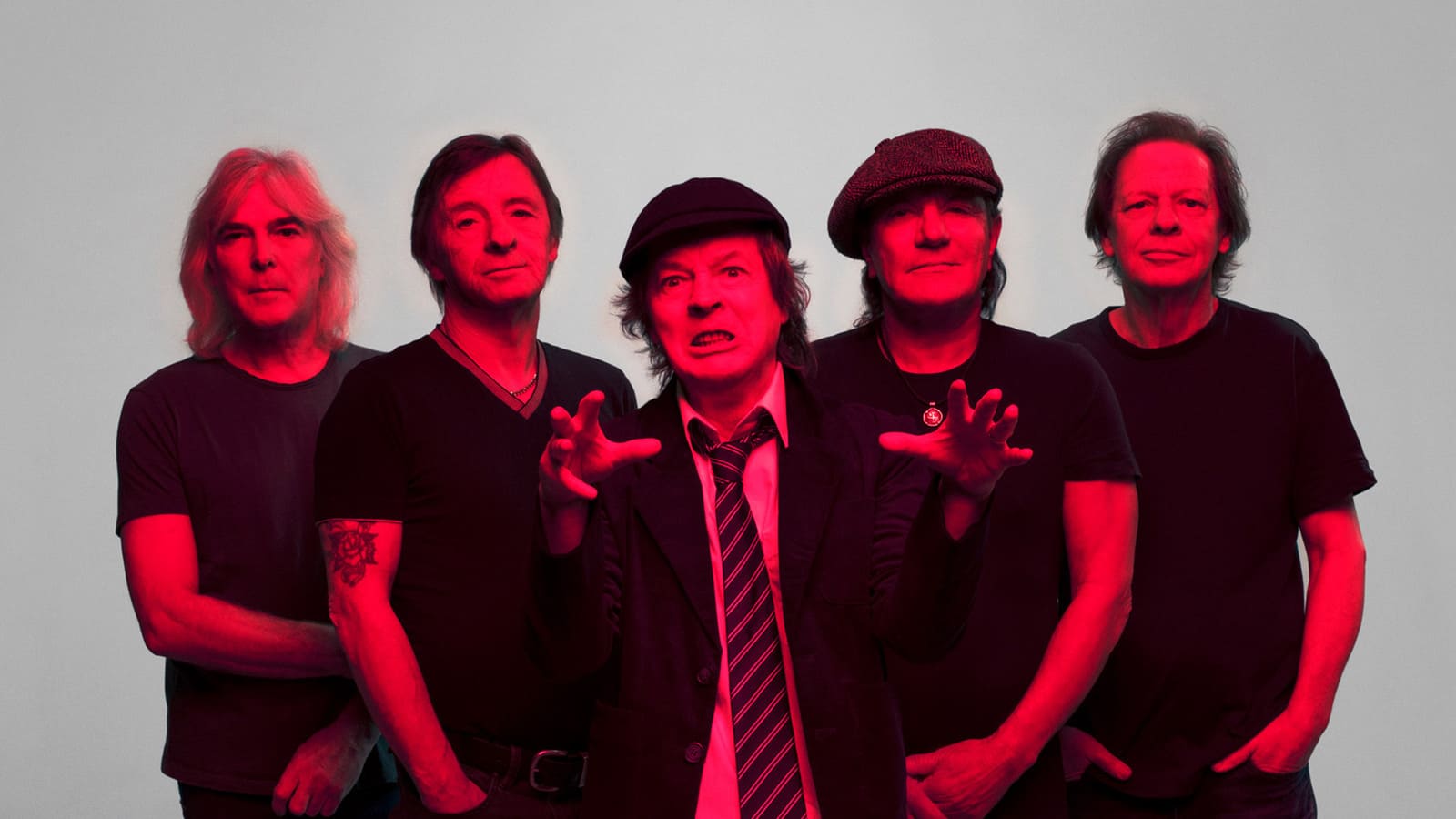
AC/DC is an Australian band that helped shape the sound of rock and roll as we know it today. Indeed, they harnessed the Australian sound and attitude with incendiary guitar riffs, stellar performances, and a one-of-a-kind guitarist who dresses as a schoolboy to rock the world.
The band was born in 1973, and singer Bon Scott joined a year later, but it wasn’t his voice that led brothers Malcolm and Angus Young to worldwide stardom. On the contrary, after his passing, the band recorded their most relevant and successful album yet, Back in Black (1980).
Arguably, Back in Black is the pinnacle of a seven-year preparation career full of dirty clubs, empty roads, and endless rocking. According to some critics, rock music was never the same after AC/DC put out that legendary album. For example, guitar god Slash (Guns N’ Roses, Velvet Revolver) has called AC/DC, with the exception of the Stones, “the greatest rock ‘n’ roll band ever.”
If you’re not familiar with them yet, I’d suggest you start with Dirty Deeds Done Dirt Cheap (1976), Highway to Hell (1979), and Back in Black (1980).
13. Led Zeppelin

Remember when I mentioned the “unholy trinity of British hard rock” in the Deep Purple section? Well, it would be a crime against rock and roll to leave out the final, and arguably biggest, piece of that puzzle: Led Zeppelin. While they formed in the late ’60s, the 1970s belonged to them.
They didn’t just play stadiums; they defined what a stadium rock band looked and sounded like. With Jimmy Page’s wizard-like guitar riffs, Robert Plant’s banshee wail, John Paul Jones’ multi-instrumental genius, and the thunderous drums of John Bonham, they created a sound so massive it arguably remains unmatched. Why are they essential? Because they took the blues, injected it with steroids, and created a template for hard rock that every band since has tried to copy.
Dave Grohl of the Foo Fighters once said, “Heavy metal would not exist without Led Zeppelin, and if it did, it would suck.” They were mysterious, they refused to release singles in the UK, and they let the music do the talking on a massive scale. If you have somehow missed the Zeppelin train, you need to listen to Led Zeppelin IV (1971) immediately.
It features “Stairway to Heaven,” arguably the most famous rock song in history. After that, dive into the sheer scale of Physical Graffiti (1975).
14. KISS

If the introduction to this article promised you costumes, fireworks, huge crowds, and bombastic performances, then KISS is the band that delivers on that promise more than anyone else.
Bursting out of New York City, Gene Simmons, Paul Stanley, Ace Frehley, and Peter Criss decided that just playing music wasn’t enough—they had to be the show. They painted their faces, wore 7-inch platform boots, breathed fire, spat blood, and used enough pyrotechnics to rival a military operation. They weren’t just a band; they were comic book superheroes come to life. Critics at the time didn’t always get it, but the fans, the “KISS Army”, certainly did.
They proved that rock and roll could be a massive, immersive spectacle. They were the ultimate marketing machine of the ’70s, but underneath the makeup, they had the catchy, hard-rocking anthems to back it up.
To understand the energy that saved their record label and made them superstars, you have to start with Alive! (1975), which is widely considered one of the greatest live albums ever recorded. For their studio work, Destroyer (1976) is the absolute essential listen.
15. Aerosmith

If Led Zeppelin ruled British hard rock, Aerosmith were America’s answer, and Boston’s pride and joy. Steven Tyler, Joe Perry, Tom Hamilton and Joey Kramer got together in 1970, Brad Whitford joined a year later, and the band spent the early ’70s playing every bar, high school gym and college hall that would have them.
Critics wrote them off as a Rolling Stones knock-off, and Tyler’s lips and scarf-draped mic stand didn’t exactly help. But as a musician, let me tell you: nobody borrowed the riff to “Walk This Way” from anyone. Perry and Whitford built a two-guitar attack that was loose, swaggering and impossibly groovy, and by the middle of the decade the “Toxic Twins,” Tyler and Perry, were packing arenas from coast to coast.
Their ’70s run is as good as American hard rock gets. Toys in the Attic (1975) gave us “Walk This Way” and “Sweet Emotion,” and Rocks (1976) is so heavy and raw that Slash has named it as one of the records that changed his life. You can hear it all over Appetite for Destruction.
Half a century later, they still have a pull few bands can match. Aerosmith retired from touring in 2024 after Tyler’s vocal injury, and yet they returned in fall 2026 for two special nights at the Hollywood Bowl with friends like Guns N’ Roses and Run-DMC. If you’re new to them, start with Toys in the Attic (1975), then go straight to Rocks (1976).
16. Fleetwood Mac

No band on this list turned heartbreak into hits quite like Fleetwood Mac. They started out in London in 1967 as Peter Green’s blues band, but the Fleetwood Mac the whole world knows took shape at the end of 1974, when Mick Fleetwood invited a young American duo, Lindsey Buckingham and Stevie Nicks, to join.
Their self-titled 1975 album gave us “Rhiannon” and “Landslide,” but it was what came next that made history. Rumours (1977) was written and recorded while the band was falling apart: John and Christine McVie were divorcing, Buckingham and Nicks had split up, and Mick Fleetwood’s marriage was collapsing too. So they did what any sensible band would do and wrote songs about each other.
What still amazes me as a musician is how effortless it all sounds. “Dreams,” “Go Your Own Way,” “Don’t Stop” and “The Chain” are perfect pop songs sitting on a rock rhythm section that never overplays a single note. Rumours won the Grammy for Album of the Year and has sold more than 40 million copies, and in 2020 a TikTok of a guy skateboarding with a bottle of cranberry juice sent “Dreams” back up the charts more than four decades later.
If you’ve somehow never heard it front to back, start with Rumours (1977). Then try the self-titled Fleetwood Mac (1975) and the gloriously weird Tusk (1979).
17. Eagles

Nobody bottled the sound of ’70s California like the Eagles. Glenn Frey, Don Henley, Bernie Leadon and Randy Meisner first came together in Los Angeles in 1971 as Linda Ronstadt’s backing band, and by the end of the decade they had scored five No. 1 singles and become one of the biggest bands in America.
As a musician, the first thing that gets me is the harmonies. They had four guys who could sing lead, and they stacked their voices so tightly that “New Kid in Town” won a Grammy for its vocal arrangement. Then there’s “Hotel California.” Don Felder demoed it in E minor, but Henley sounded too high, so they re-recorded the whole thing in B minor, “not a particularly guitar-friendly key,” as Felder put it. That’s where the famous guitar duel between Felder and Joe Walsh lives. “On all of my solos, I don’t try to be flashy, I try to be memorable,” Felder has said.
The numbers are almost silly. Their Greatest Hits (1971–1975) was the first album ever certified platinum, in 1976, and in January 2026 it became the first album certified for 40 million units in the US. Frey died in 2016 and Meisner in 2023, but Henley, Walsh and Timothy B. Schmit, joined by Vince Gill and Frey’s son Deacon, are deep into a residency at the Sphere in Las Vegas that now runs to more than 70 shows, with dates booked into January 2027.
If you’re new to them, start with Hotel California (1976), then One of These Nights (1975). And if you just want the hits, the best-selling album in American history is right there waiting for you.
18. Lynyrd Skynyrd

Lynyrd Skynyrd started in Jacksonville, Florida, in 1964, when Ronnie Van Zant, Gary Rossington, Allen Collins and their friends were still in school. They named the band after their gym coach, Leonard Skinner, who kept sending Rossington and other long-haired boys to the principal’s office. Producer Al Kooper found them in an Atlanta club, and their 1973 debut, (Pronounced ‘Lĕh-‘nérd ‘Skin-‘nérd), gave the world “Free Bird,” “Simple Man” and “Gimme Three Steps.”
As a musician, let me tell you what made them special: three lead guitars. On “Free Bird,” Rossington wedged a screwdriver under his strings, tuned his B string down to G and played slide with a glass Coricidin bottle, “just like Duane Allman.” Then Collins played the entire outro solo himself. “It’s just a simple love song, really,” Rossington said. “But it turned into a lot bigger than we had thought.”
Second Helping (1974) brought “Sweet Home Alabama,” their biggest hit, which reached No. 8. Then, on Oct. 20, 1977, three days after Street Survivors came out, the band’s chartered plane ran out of fuel and crashed in Mississippi. Van Zant, guitarist Steve Gaines, backing singer Cassie Gaines, assistant road manager Dean Kilpatrick and both pilots were killed. Rossington, the last surviving founding member, died in 2023, but Ronnie’s younger brother Johnny has fronted the band since 1987, and they have dates booked into 2027.
If you’re new to them, start with (Pronounced ‘Lĕh-‘nérd ‘Skin-‘nérd) (1973), then Second Helping (1974). For the full “Free Bird” experience, put on the live One More from the Road (1976) and wait for the epic extended version that closes the album.

